
FREE SHIPPING WORLDWIDE
What Are the Best Travel Wallets?
A 200-Days-a-Year Traveler's Real-World Picks
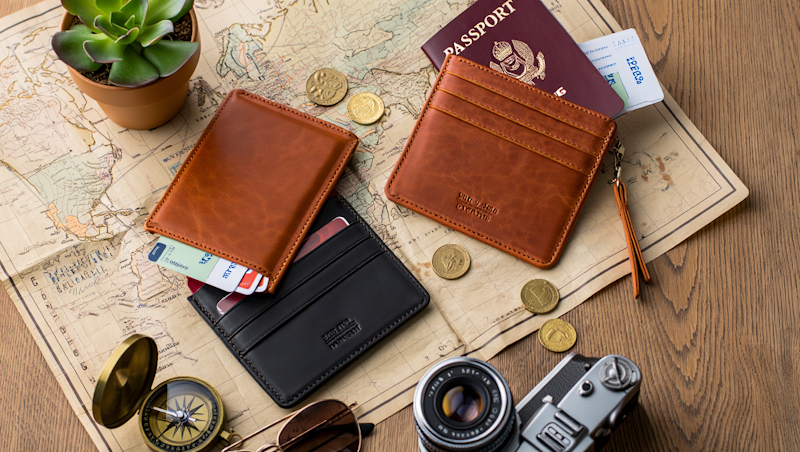
When people ask me "what are the best travel wallets", I do not start with brands. I start with what a travel wallet must do in real life: stay secure in crowded places, keep essentials easy to reach, protect cards from wear, and help you avoid the classic travel mistakes (like flashing your whole stack of cards at a busy counter).
1. What a Travel Wallet Needs to Do (When You Are Actually Traveling)
A travel wallet is a working tool. It should help you move faster and worry less. For me, the best travel wallets consistently do these things well:- Fast access to the one card you use most (without exposing everything else).
- Comfortable in a front pocket so it stays in your control in crowds.
- Protection for cards so they do not bend, crack, or get demagnetized from abuse.
- Smart organization - main card, backup card, ID, and a small amount of cash without turning into a brick.
- Travel security behavior - encourages you to carry less and separates daily money from backup money.
2. The Travel Setup That Saves You (My Simple System)
Here is what has worked for me across years of travel. It is not fancy - it is practical:- Main wallet: 1 main payment card, 1 backup card, ID, and a small amount of local cash.
- Secondary stash: one extra card and a folded emergency bill kept separately (not in the same pocket, not in the same bag compartment).
- Receipts and random papers: never in the wallet. Travel days create paper. Paper creates bulk.
3. Front Pocket Travel Wallet vs Passport Wallet
People mix these up. They are not the same job.- Front pocket travel wallet: your daily carry. Quick access. Safe in crowds. Comfortable all day.
- Passport wallet: useful for flights and border crossings, but not always ideal as a daily wallet because it can be larger and easier to misplace.
4. Aluminum, Leather, or High-Tech? The Material Choice That Matters on the Road
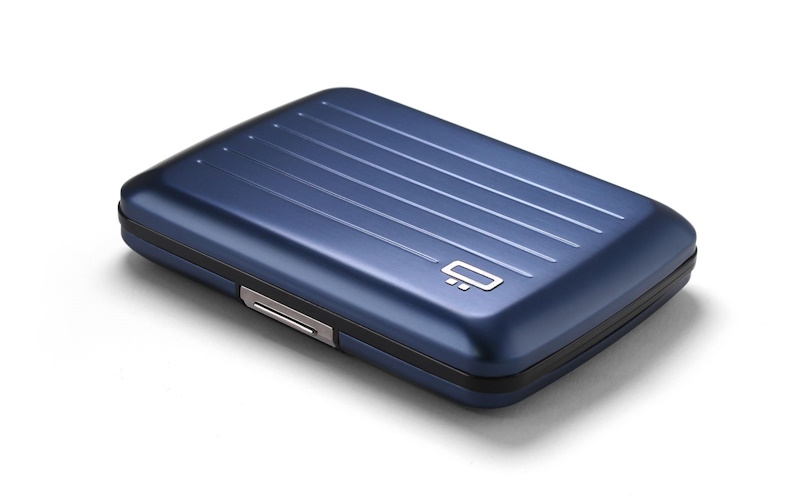
Aluminum and metal card casesThese are underrated for travel. If you want a structured, protected, tidy setup that does not turn into chaos, metal cases are excellent. They keep cards aligned, prevent bending, and feel like a compact "money tool". Great for heavy travel where your wallet gets handled constantly.
Leather travel wallets
Leather is classic, comfortable, and can look better with age. The downside: it stretches. If you are not disciplined about what you carry, leather can slowly become bulky. For travelers who keep their carry minimal, leather is still a great choice.
Carbon fiber and structured modern wallets
Carbon-style wallets are strong, slim, and consistent. They are ideal if you like a clean, modern feel and want something that stays in shape. If you travel hard and do not want to baby your wallet, this category is easy to love.
5. Three Travel Wallets I Actually Recommend
I have tried enough wallets to know that there is no single "best" wallet for everyone. But there are a few that consistently fit travel life because they solve real problems. These are three solid choices if you want a travel wallet that earns its place in your pocket.5.1 OGON Aluminum Wallet - The "Everything Stays Tidy" Travel Pick
If your travel days are long and busy, an aluminum case-style wallet makes a lot of sense. The OGON aluminum wallet style is all about structure: cards stay straight, access stays predictable, and the wallet does not puff up over time.Why it works for frequent travelers:
- Great card protection - no bent corners, no crushed cards from sitting or bags.
- Clean organization - easy to keep your daily carry minimal.
- Quick open, quick close - helpful when you are paying fast in transit.
- Low-maintenance feel - it stays "in shape" even after months of heavy use.
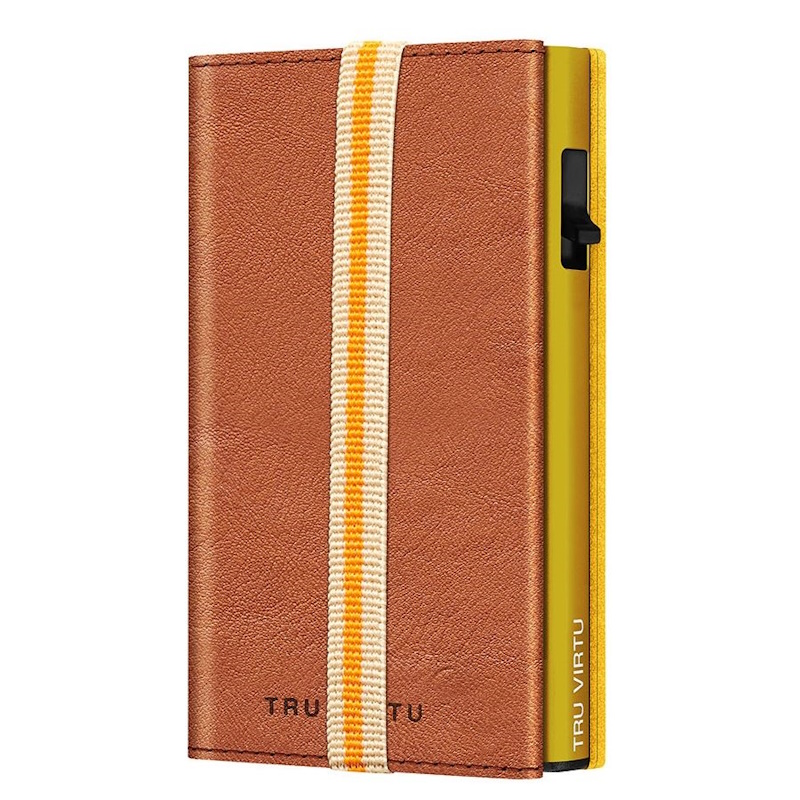
5.2 Tru Virtu Wallet - Travel Security With a Premium, Smart Mechanism
Tru Virtu wallets are a strong match if you want a premium travel wallet that feels engineered. For many travelers, the appeal is simple: controlled access. Instead of exposing everything, you access what you need with a more deliberate mechanism and a structured layout.Why it works for travel-heavy routines:
- Controlled access - less flashing of cards in busy places.
- Structured design - stays compact and predictable in use.
- Great for front pocket carry - especially if you want a more secure feeling setup.
5.3 DuDu Wallets - The Traveler's Leather Option That Still Feels Organized
If you prefer leather - the feel, the look, the flexibility - DuDu wallets are a good choice when you still want organization and a more travel-friendly layout. Leather can be perfect for travel as long as you do not treat your wallet like a drawer.Why it works for travelers who love leather:
- Comfort in the pocket - leather has that softer everyday feel.
- Practical layouts - helps separate daily cards from backups.
- Style that fits everywhere - business trips, weekends, city travel, dinners.
6. The Best Travel Wallet Features (What Matters and What Is Just Marketing)
RFID blockingMany travelers like RFID blocking for peace of mind in crowded airports and public transport. But do not let it distract you from the bigger wins: front pocket carry, minimal exposure when paying, and separating backups.
Secure closure or structured case
This is a real travel advantage. A case-style wallet (like many OGON aluminum options) or a structured mechanism (like Tru Virtu styles) keeps your setup controlled when you are moving fast.
Easy access to your main card
This is the number one quality-of-life feature. If you travel constantly, you will pay hundreds of times per month. A wallet that makes your main card easy to reach saves you micro-stress all day long.
A wallet that stays slim after weeks of use
Lots of wallets are slim on day one. A good travel wallet stays slim on day sixty. Structure helps. Discipline helps. The best wallets support both.
7. My 60-Second Method to Choose the Best Travel Wallet for You
If you want a quick decision path, this is how I would pick based on travel habits:- You want maximum organization and protection - choose an aluminum/structured case like an OGON style wallet.
- You want premium, controlled access - choose a Tru Virtu style wallet.
- You want leather comfort with a travel-friendly layout - choose a DuDu wallet.
- You want tough, modern, structured carry - browse carbon wallets.
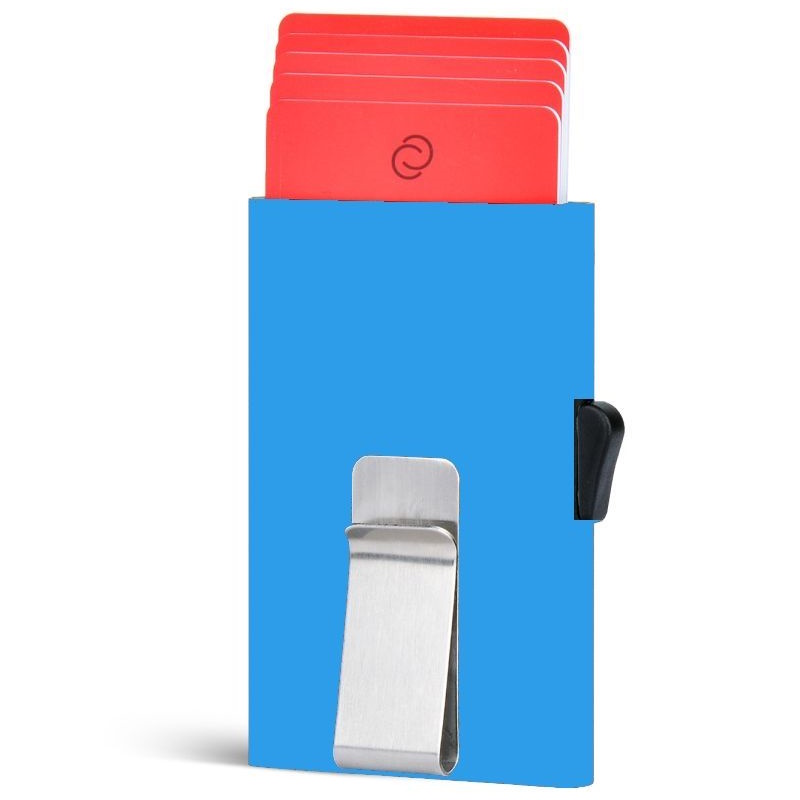
- You carry mostly cards and want the lightest daily travel setup - pick a minimalist front pocket wallet.
Shop Minimalist Wallets
8. Travel Wallet Mistakes I See All the Time
After living out of bags for most of the year, the same mistakes repeat. Avoid these and your wallet choice will feel "right" instantly.Mistake 1: Carrying everything in one place
If your wallet has every card and all your cash, one loss becomes a full crisis. Split your backups. Always.
Mistake 2: Using a thick wallet because you "might need" those cards
The road punishes bulk. Keep daily carry minimal. Store extras elsewhere.
Mistake 3: Back pocket carry in crowded travel zones
If you travel through busy stations and tourist areas, front pocket carry is simply safer. A travel wallet that fits front pocket carry comfortably is a big win.
Conclusion
The best travel wallets are the ones that make your travel days smoother: secure in crowds, easy to access, and disciplined by design. If you travel often (or live on the road like I do), prioritize structure, front pocket comfort, and a clean daily setup. For a protective organized option, OGON aluminum wallets are hard to beat. For premium controlled access, Tru Virtu is a strong move. And if you want classic leather with travel-friendly organization, DuDu wallets are a great choice.FAQ
What makes a wallet a good travel wallet?The best travel wallet keeps your essentials secure and fast to access: your main cards, a bit of cash, and (if needed) a passport. Look for a slim profile, strong materials, smart organization, and features like RFID blocking or a locking mechanism depending on your travel style.
Are aluminum wallets good for travel?
Yes. Aluminum wallets are great for travel because they protect cards from bending, keep everything compact, and stay organized. They are especially useful when you are on the move for long days and want a clean, structured setup.
Is RFID blocking necessary for travel?
It depends. Many travelers like RFID blocking for peace of mind in crowded transit areas. The bigger security wins are still situational awareness, using a front pocket wallet, and separating backup cards and cash.
What is the best way to carry cash when traveling?
Carry a small amount of daily cash in your main wallet and keep the rest split: a backup bill folded elsewhere, and an extra card separate from your wallet. This way one loss does not become a trip-ending problem.